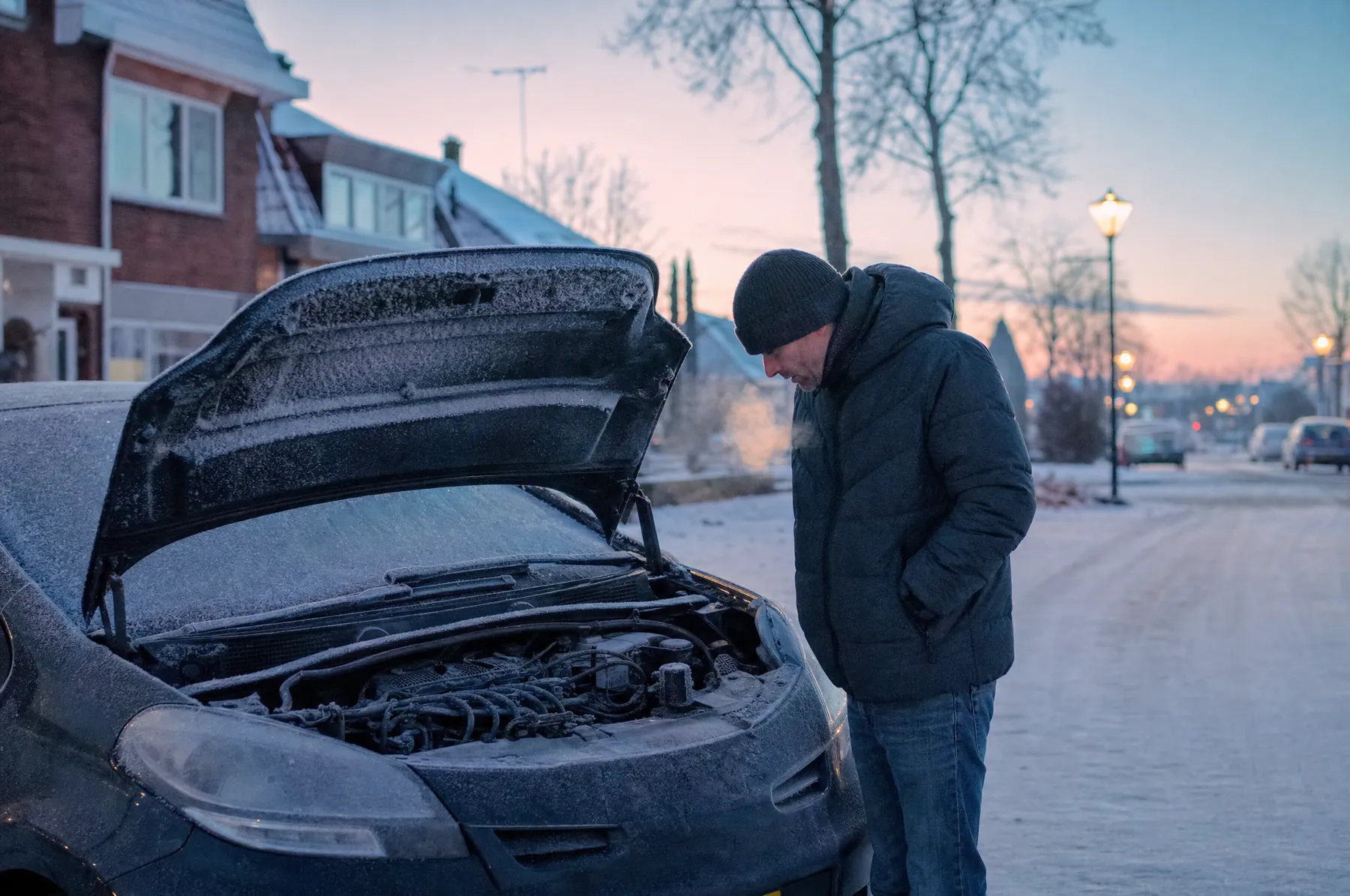
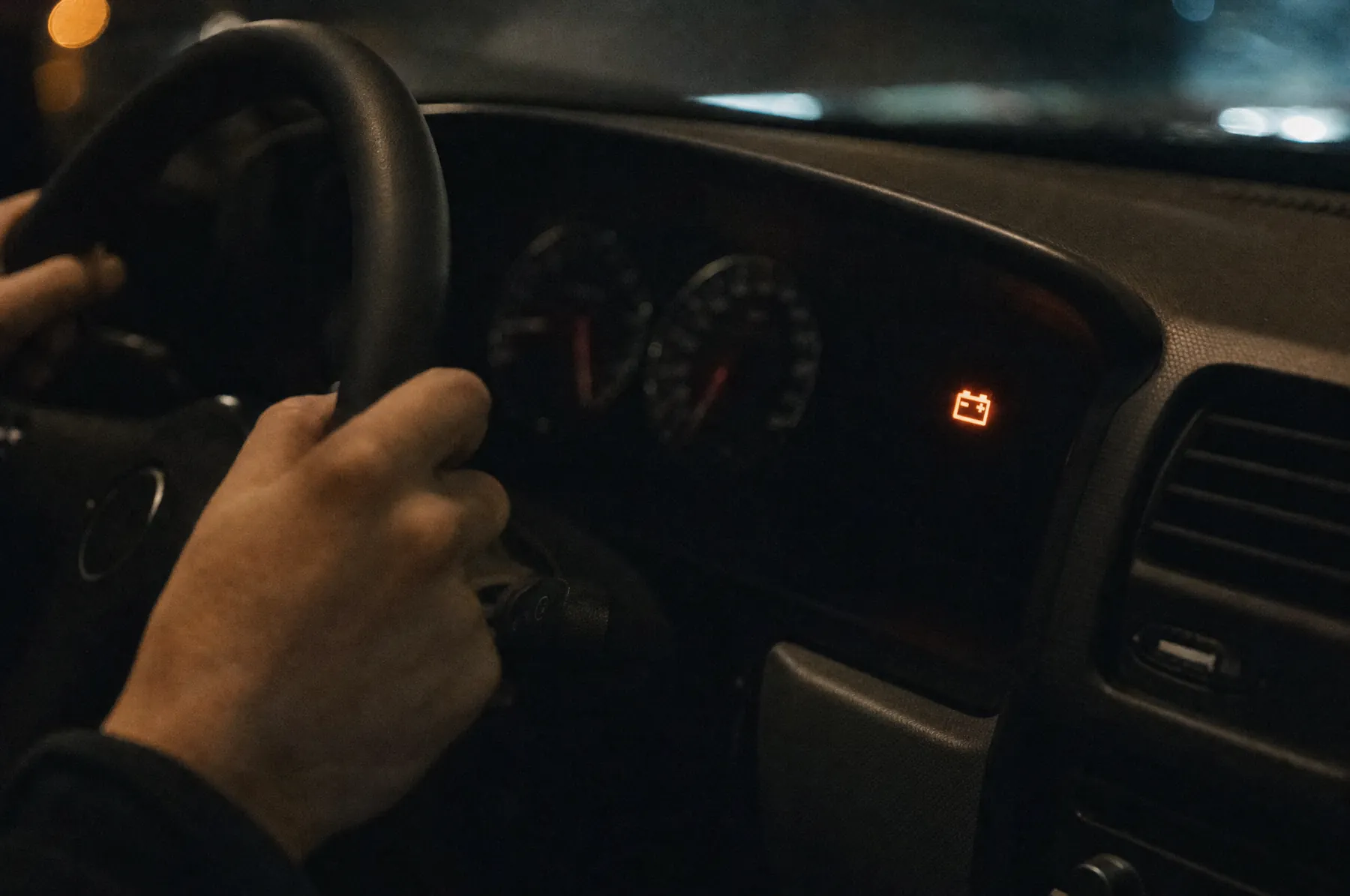
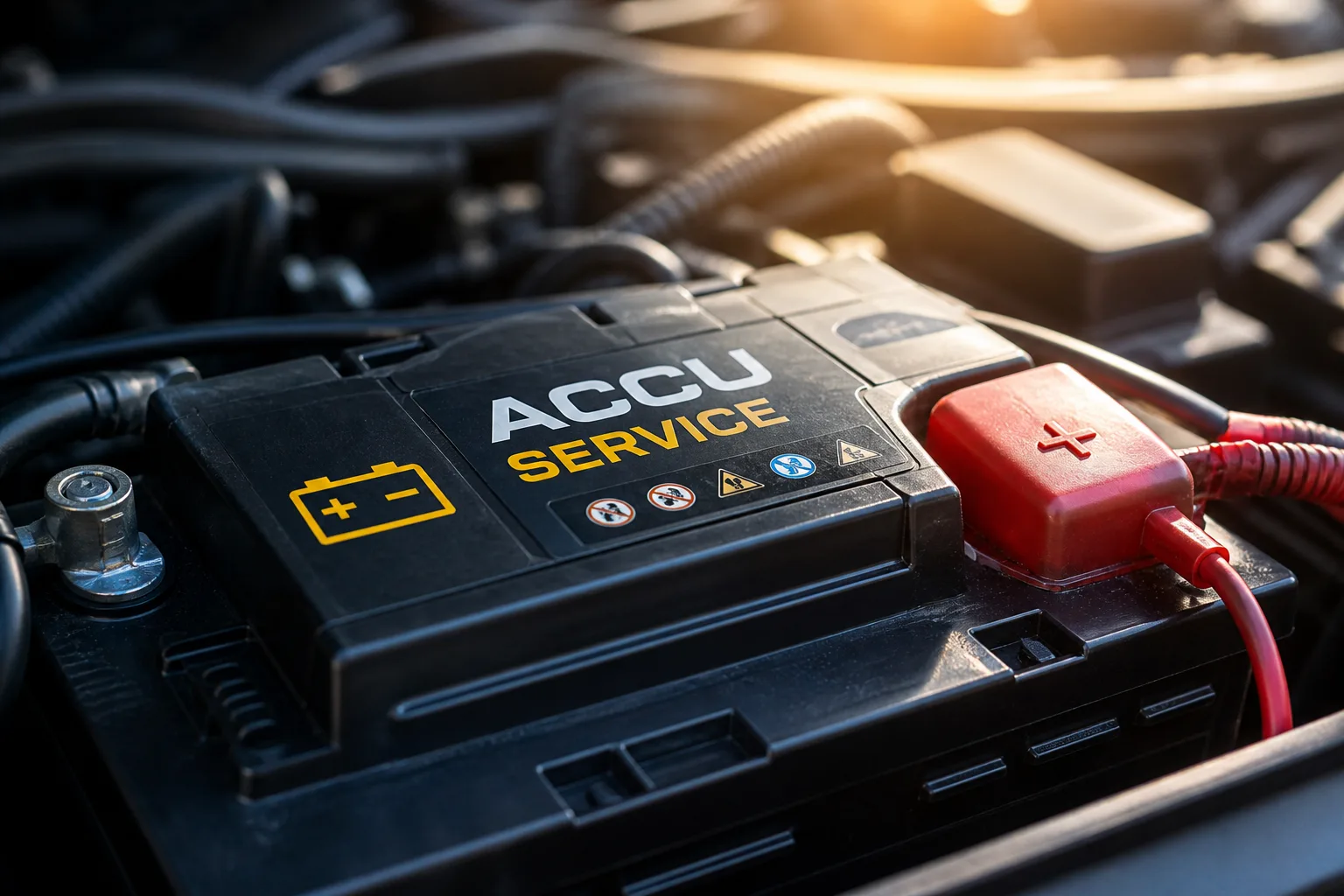
The same picture every year: the first properly freezing night, and in the morning cars everywhere refuse to start. It is a double blow that lands at exactly the same moment.
The battery delivers less
A battery makes current through a chemical reaction, and that reaction slows as it gets colder. At zero degrees a battery still delivers about sixty percent of its twenty-degree capacity. At minus eighteen it is around forty percent. Nothing is broken — it simply can do less.
The engine demands more
At the same time engine oil thickens in the cold, so the starter needs far more force to turn the engine over. A cold diesel also draws current for the glow plugs before cranking even begins.
What you can do
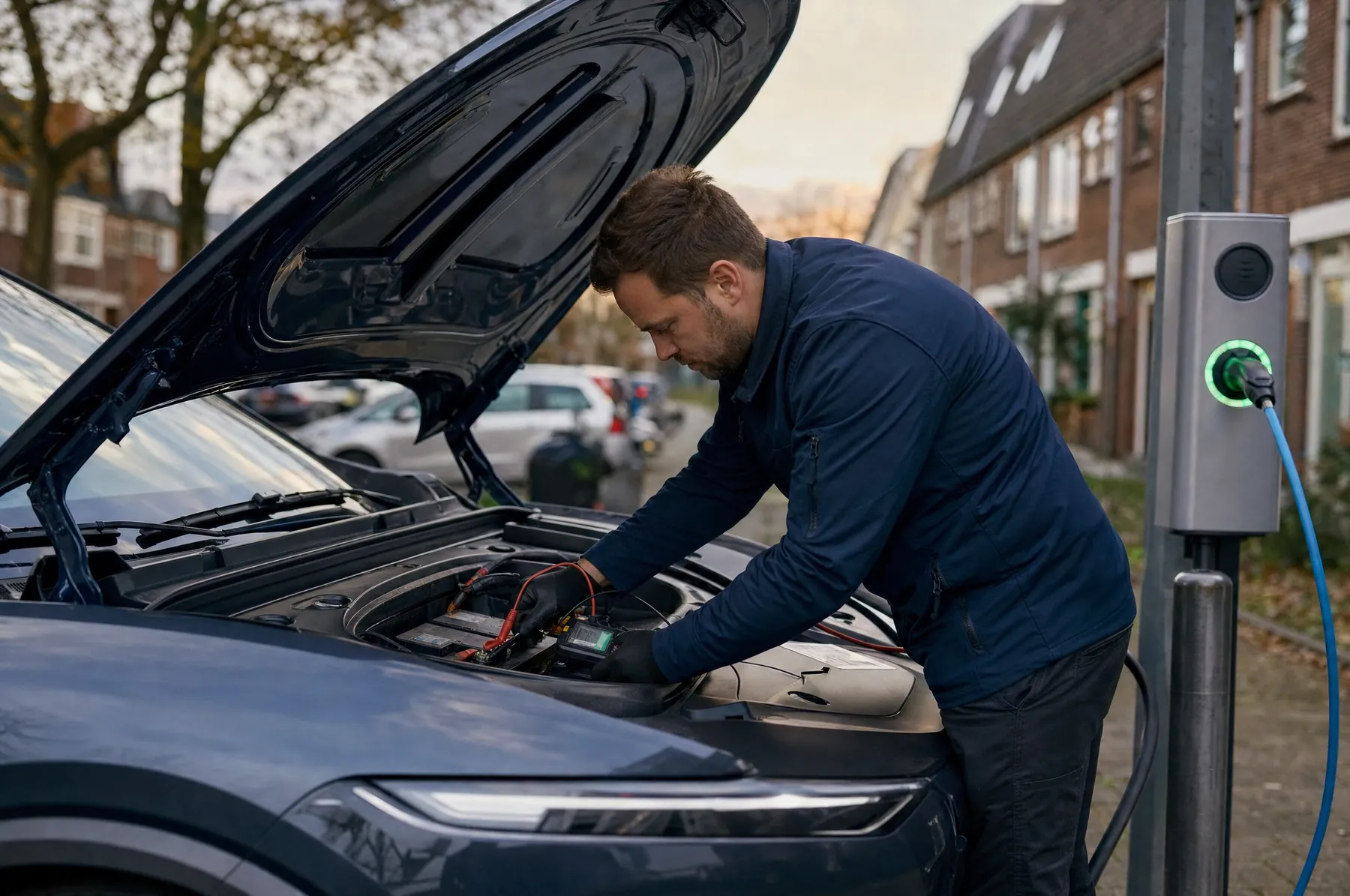
Switch off heating, seat heating, rear screen and lights before starting so all current goes to the starter. Crank in short attempts of no more than five seconds with pauses in between. After a difficult start, drive for at least half an hour. And have the battery tested before winter rather than after.
When it no longer helps
Battery older than four years, stop-start no longer engaging, or long cranking more than once a month? The battery is finished and postponing will not help.